ORDER MORE, SAVE MORE 🎉
FREE SHIPPING from €175 • Additional 5% OFF From €350
Canine Distemper Virus (CDV Ag) Rapid Test
Couldn't load pickup availability
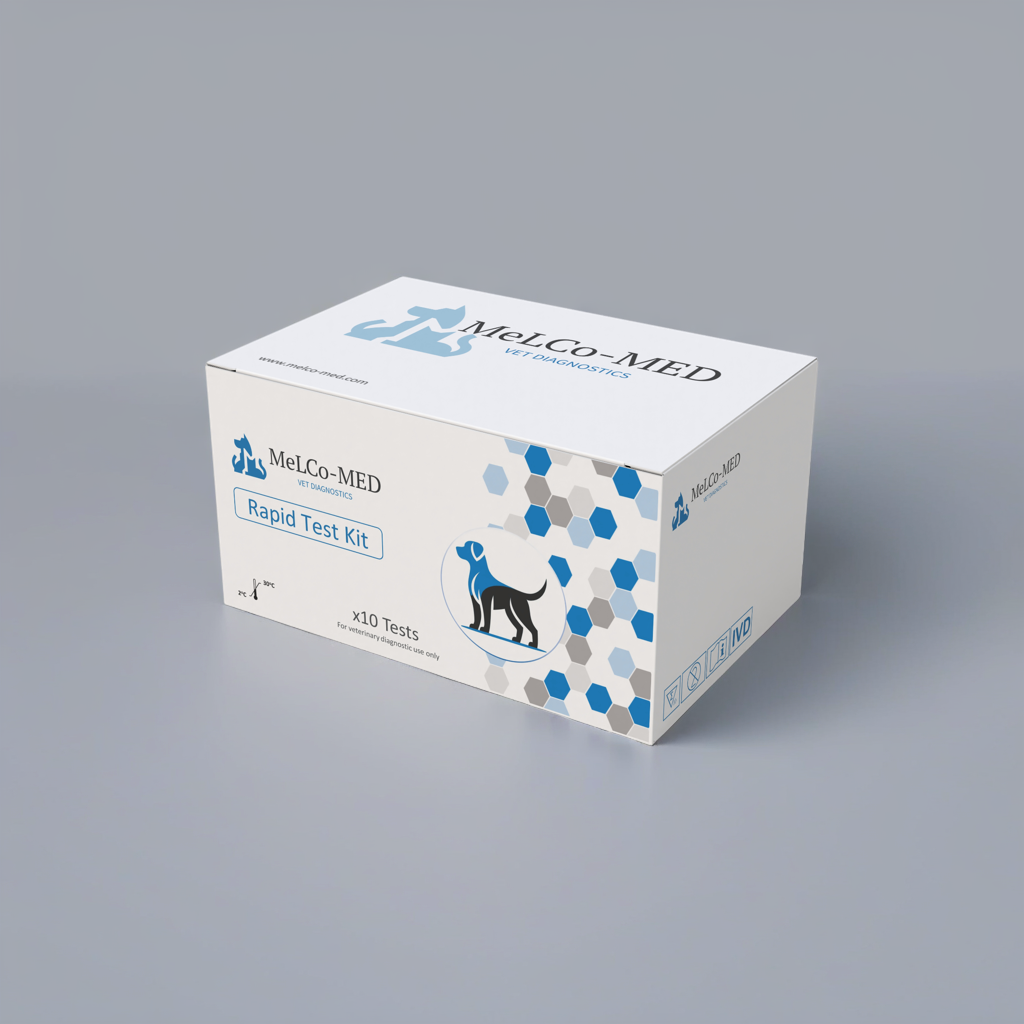
The Canine Distemper Virus (CDV Ag) Rapid Test detects canine distemper virus antigens from ocular, nasal and anal secretions, with results available in just 5 to 10 minutes. Canine distemper is, alongside canine parvovirus, one of the most feared infectious diseases in dog breeding facilities. It is highly contagious, potentially fatal, and may cause long-lasting neurological complications in surviving dogs.
Product features
- Contains cassettes and materials for 10 tests
- Results in 5-10 minutes
- For eyes, nasal cavities and anal secretion specimens
- High Relative Sensitivity (97.3%)
- High Relative Specificity (100%)
- High Relative Accuracy (99.3%)
- Can be stored at room temperature for up to 24 months
Workflow

What Is Canine Distemper?
Canine distemper is a systemic viral disease affecting the respiratory, digestive and nervous systems. It is transmitted primarily through respiratory droplets and direct contact between infected dogs.
Unlike canine parvovirus, the canine distemper virus does not survive for long periods in the environment. However, direct transmission between dogs in close contact is highly efficient, making canine distemper a major concern in high-density environments such as kennels and breeding facilities.
Why Is Canine Distemper Screening Important in Dog Breeding Facilities?
- Core vaccination disease, alongside canine parvovirus and canine infectious hepatitis (Rubarth's disease)
- Potentially biphasic progression: an initial respiratory and/or digestive phase may be followed, sometimes weeks or months later, by neurological disease, including in dogs that appeared to have recovered from the initial phase
- Possible long-term neurological complications: muscle twitches, seizures and other neurological disorders can occur in survivors, making canine distemper an important concern for animal welfare and breeding management
Symptoms of Canine Distemper
Respiratory/digestive phase: fever · ocular and nasal discharge · coughing · diarrhoea · loss of appetite
Neurological phase, which may occur later: seizures · characteristic muscle twitching · lack of coordination · paralysis in severe cases
Recommended Testing Protocol
- Test puppies showing fever associated with respiratory and/or digestive signs, particularly before completion of their vaccination schedule
- Pay particular attention when introducing a dog with an uncertain or incomplete vaccination history
- In the event of a confirmed case, implement strict isolation and assess dogs that have been in contact with the affected animal, as direct transmission can be highly efficient
What to Do If the Test Is Positive
Seek veterinary attention promptly · strictly isolate the affected dog, as respiratory transmission can be highly efficient in shared spaces · provide supportive veterinary care, as there is no specific antiviral treatment · maintain prolonged monitoring because neurological signs may develop later, even after apparent clinical improvement
Breeder FAQ – Canine Distemper
Can a puppy develop neurological symptoms long after appearing to recover?
Yes. This is an important feature of canine distemper. A neurological phase may occur several weeks or even months after the initial illness, including in dogs that appeared to have recovered.
Why is canine distemper such a concern in breeding facilities?
The virus can spread efficiently through respiratory secretions and direct contact between dogs living in close proximity. This makes canine distemper a significant risk for rapid transmission in kennels and breeding facilities.
Is there a curative treatment for canine distemper?
There is no specific antiviral treatment that reliably eliminates the virus. Veterinary treatment focuses on supportive care and management of complications, which is why vaccination and appropriate biosecurity measures are essential for prevention.
References
World Small Animal Veterinary Association (WSAVA), vaccination guidelines: www.wsava.org
Share
