
ORDER MORE, SAVE MORE 🎉

Feline Giardia (FGia Ag) Rapid Test
Feline Giardia (FGia Ag) Rapid Test
Couldn't load pickup availability
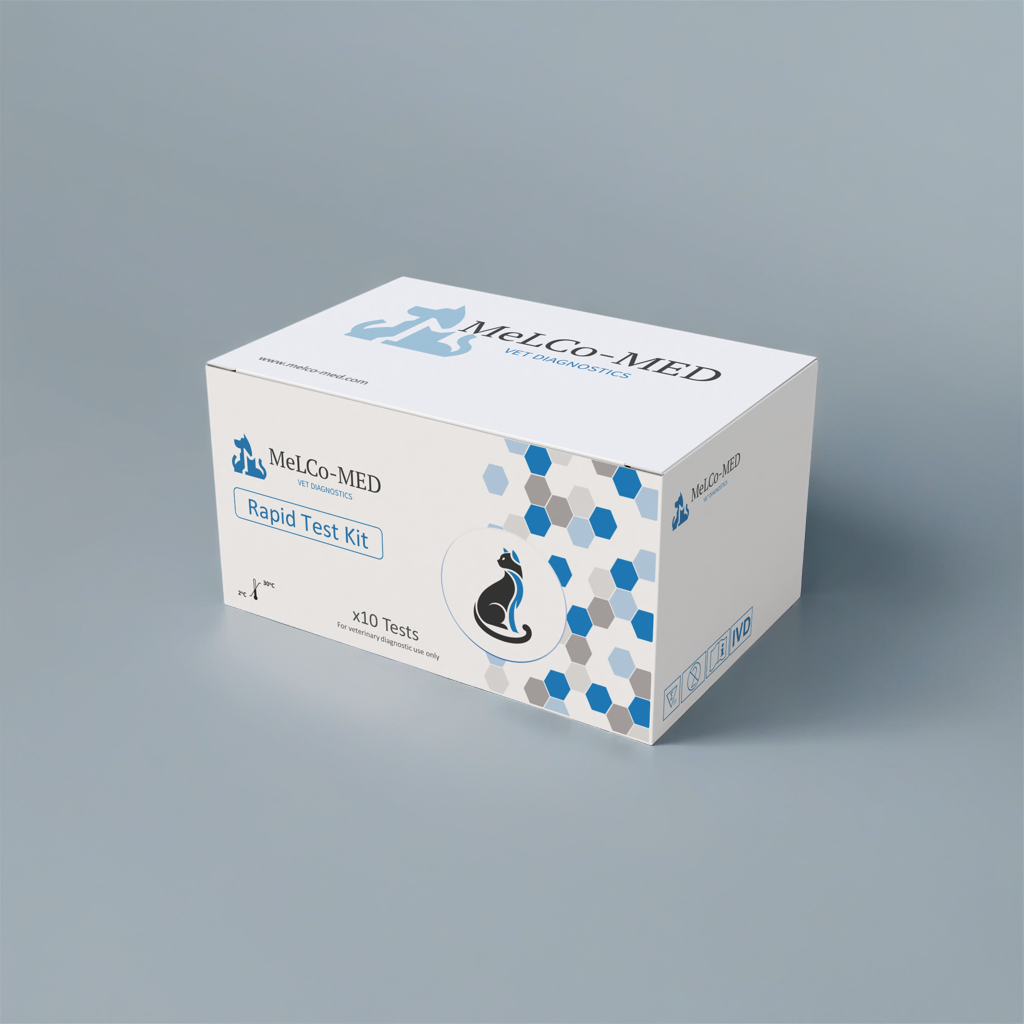
The Feline Giardia (FGia Ag) Rapid Test detects Giardia duodenalis antigens (also known as Giardia lamblia or Giardia intestinalis) in cat feces, with results available in just 5 to 10 minutes and without the need for laboratory equipment. For cat breeders, it is a practical diagnostic tool for dealing with a common intestinal parasite in catteries, where close contact between breeding cats and kittens can facilitate transmission.
Product features
- Contains cassettes and materials for 10 tests
- Results in 5-10 minutes
- For fecal specimens
- High Relative Sensitivity (98.1%)
- High Relative Specificity (98.6%)
- High Relative Accuracy (98.4%)
- Can be stored at room temperature for up to 24 months
Workflow

What is Feline Giardiasis?
Feline giardiasis is an intestinal infection caused by the protozoan Giardia duodenalis. It is mainly transmitted through environmentally resistant cysts found in contaminated feces, water or surfaces.
Kittens, particularly around weaning, may be more susceptible to developing clinical signs. As in dogs, cats can shed Giardia cysts without showing obvious symptoms, and cyst shedding can be intermittent.
Why Giardia Screening Is Relevant in a Cattery
- Increased risk in multi-cat environments: shared litter trays and close contact can facilitate transmission
- Frequent asymptomatic shedding: some infected cats may show few or no clinical signs, making testing useful alongside clinical observation
- Environmental persistence: Giardia cysts can persist in moist environments, making environmental hygiene an important part of parasite control
Symptoms
Chronic or intermittent diarrhea, sometimes with mucus · soft to watery stools · poor growth or weight gain in kittens with persistent infection · abdominal discomfort · mild lethargy
Recommended Screening Protocol
- Test cats or kittens with persistent diarrhea, particularly when symptoms do not resolve with supportive care
- Consider screening new cats during quarantine before introducing them into the cattery
- If a case is confirmed, consider testing cats that have been in close contact and strengthen litter tray and environmental hygiene
What to Do If the Test Is Positive
Discuss an appropriate antiparasitic treatment protocol with your veterinarian · strengthen environmental cleaning and hygiene measures · consider follow-up testing after treatment where recommended by your veterinarian
Breeder FAQ
Should a Giardia-positive kitten be separated from its mother?
This should be discussed with your veterinarian based on the kitten's clinical condition, age and the risk of transmission within the cattery.
Can feline giardiasis be transmitted to humans?
Some Giardia genetic assemblages have recognized zoonotic potential, although documented transmission from cats to humans appears to be uncommon. Good hand hygiene is nevertheless recommended, particularly when handling feces or cleaning litter trays.
Does a negative test rule out giardiasis if symptoms persist?
Not necessarily. Because cyst shedding can be intermittent, a single negative test does not always exclude infection. If clinical suspicion remains high, your veterinarian may recommend repeat testing over several days or using an alternative diagnostic method.
References
European Scientific Counsel on Companion Animal Parasites (ESCCAP): www.esccap.org
 Follow us on Bluesky