
ORDER MORE, SAVE MORE 🎉

Feline Panleukopenia Virus (FPV Ag) Rapid Test
Feline Panleukopenia Virus (FPV Ag) Rapid Test
Couldn't load pickup availability
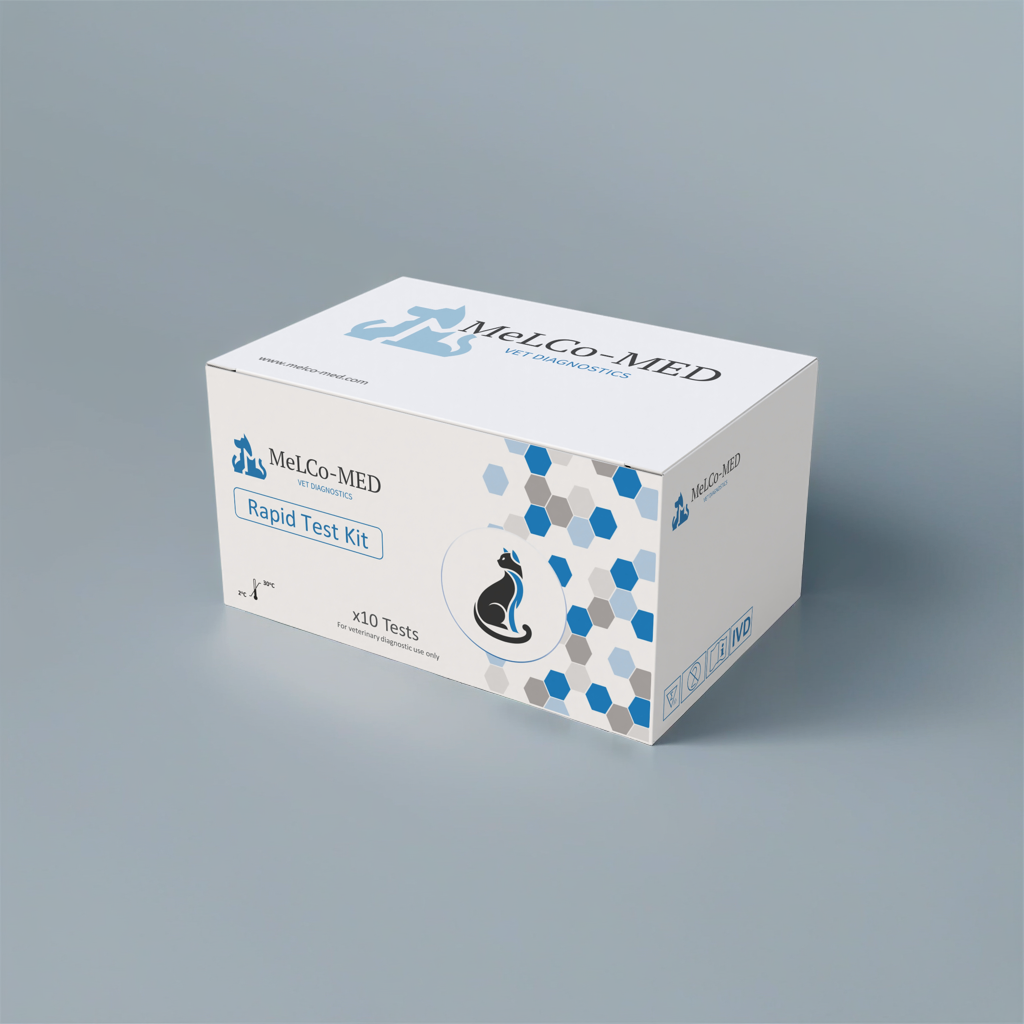
The Feline Panleukopenia Virus (FPV Ag) Rapid Test is a rapid diagnostic test designed to detect feline panleukopenia virus (FPV) antigens, also known as feline distemper or feline infectious enteritis, in cat fecal samples. Results are available within 5 to 10 minutes, with no laboratory equipment required.
Highly contagious and potentially severe in unvaccinated or incompletely vaccinated kittens, feline panleukopenia represents a significant health risk for catteries, shelters and other multi-cat environments. When infection is suspected, rapid testing can provide the veterinarian with additional information to help guide clinical management, isolation and biosecurity measures.
Product features
- Contains cassettes and materials for 10 tests
- Results in 5-10 minutes
- For fecal specimens
- High Relative Sensitivity (97.4%)
- High Relative Specificity (98.1%)
- High Relative Accuracy (97.7%)
- Can be stored at room temperature for up to 24 months
Workflow

What is feline panleukopenia?
Feline panleukopenia is an acute viral disease caused by feline panleukopenia virus (FPV). The virus primarily targets rapidly dividing cells, particularly those in the intestines and bone marrow, which can lead to severe gastrointestinal disease and significant reductions in blood cell counts.
Transmission occurs mainly through direct or indirect contact with contaminated material, particularly feces, surfaces, equipment or hands. FPV is highly resistant in the environment and can remain infectious for extended periods without appropriate disinfection, making it a significant risk in catteries and other multi-cat environments.
In pregnant queens, infection can also affect fetal development. Infection during cerebellar development may result in cerebellar hypoplasia in kittens, leading to coordination problems after birth.
Why is feline panleukopenia a particular concern in catteries?
- Kittens are particularly vulnerable: the risk is higher in unvaccinated kittens or while the vaccination course is still incomplete.
- Easy indirect transmission: litter trays, food and water bowls, surfaces, clothing, hands and shared equipment can contribute to the spread of the virus.
- Environmental persistence: FPV can remain infectious for an extended period without appropriate disinfection.
- Clinical signs are not always specific: vomiting, diarrhea, lethargy and loss of appetite can also occur with other conditions.
Symptoms of feline panleukopenia
Clinical signs can appear suddenly and vary depending on the age and general health of the cat:
- Marked lethargy and weakness
- Loss of appetite
- Fever, sometimes followed by hypothermia in severe cases
- Vomiting
- Diarrhea, sometimes bloody
- Dehydration
- Abdominal pain
In kittens infected before or around birth, cerebellar hypoplasia may cause tremors and coordination problems after birth.
When should a cat be tested for feline panleukopenia?
A fecal FPV antigen test may be considered as soon as compatible clinical signs appear, particularly in an unvaccinated or incompletely vaccinated kitten, a cat recently introduced into a cattery, or when several cats develop similar gastrointestinal signs.
The timing of sample collection can affect virus detection. A negative result does not always rule out infection, particularly when clinical suspicion remains high. The veterinarian may therefore recommend repeat testing or an additional diagnostic method such as PCR.
Recent vaccination and a positive test result
Recent vaccination with a modified-live FPV vaccine may need to be taken into account when interpreting an antigen test result. If the cat has been vaccinated recently, always inform your veterinarian and refer to the instructions for use of the specific test.
Management protocol when feline panleukopenia is suspected
When feline panleukopenia is suspected in a cattery, the following measures may be implemented in consultation with your veterinarian:
- Isolate the suspected animal promptly.
- Limit contact and avoid sharing equipment.
- Assess exposed cats, particularly kittens.
- Strengthen cleaning and disinfection procedures using a product proven to be effective against parvoviruses.
- Record clinical signs and test results to support veterinary follow-up and health management of the cattery.
Test limitations
Like any diagnostic test, the Feline Panleukopenia Virus (FPV Ag) Rapid Test has limitations:
- A negative result does not necessarily rule out FPV infection.
- A positive result should be interpreted together with the clinical signs, vaccination status and epidemiological context.
- The test is a screening tool and does not replace veterinary clinical assessment or additional diagnostic investigations when required.
For full instructions for use, precautions, performance characteristics and limitations, please refer to the IFU supplied with the test kit.
What should you do if the test result is positive?
Contact your veterinarian promptly to assess the cat and determine the appropriate course of action.
Until veterinary advice is available:
- Isolate the affected animal.
- Use dedicated equipment whenever possible.
- Limit movement and contact with other cats.
- Handle feces carefully and manage other potentially contaminated organic material appropriately.
- Clean and then disinfect surfaces using a product effective against parvoviruses.
- Assess exposed animals and strengthen biosecurity measures throughout the cattery.
🔬 You may also be interested in
Depending on the clinical signs and situation, other tests may complement feline diagnostic screening:
- FeLV/FIV Combo Rapid Test: screening for FeLV and FIV infections.
- Feline Herpesvirus (FHV-1) Rapid Test: particularly relevant when respiratory or ocular signs are present.
- Feline Calicivirus (FCV) Rapid Test: for screening compatible feline respiratory and oral infections.
The choice of diagnostic tests should be based on the clinical signs and the veterinarian's assessment.
Learn more: Health Protocol for Cat Breeding
Preventing feline panleukopenia is part of a comprehensive health protocol for cat breeding and cattery management. Discover our guide covering key measures to help reduce the risk of introducing and spreading infectious diseases within a cattery.
→ Read our health protocol for cat breeding
Breeder FAQ – Feline Panleukopenia
Can a vaccinated kitten still develop feline panleukopenia?
Yes. Vaccination greatly reduces the risk, but adequate protection may not yet have developed in a young kitten. Maternal antibodies can also interfere with the vaccine response in some kittens. The vaccination schedule should be established with your veterinarian.
Is a negative test enough to rule out feline panleukopenia?
No. A negative result should be interpreted together with the clinical signs and the overall context. If suspicion remains high, your veterinarian may recommend repeat testing or an additional diagnostic method.
Can a positive test result be related to recent vaccination?
Recent vaccination with a modified-live FPV vaccine may need to be considered when interpreting a positive result. Inform your veterinarian of any recent vaccination and consult the instructions for use of the test.
How long can the feline panleukopenia virus survive in a cattery?
FPV is highly resistant in the environment and can remain infectious for an extended period. Appropriate cleaning and disinfection are therefore essential following a suspected or confirmed case.
Can a pregnant queen suspected of having panleukopenia be tested?
A pregnant queen showing compatible clinical signs should receive prompt veterinary assessment. Infection during pregnancy can affect fetal development, particularly the developing cerebellum.
Does this test replace vaccination?
No. The test is a screening tool used when infection is suspected. Vaccination remains an essential preventive measure against feline panleukopenia.
References and further information
- World Small Animal Veterinary Association (WSAVA) – www.wsava.org
- European Advisory Board on Cat Diseases (ABCD) – Guideline for Feline Panleukopenia
- Merck Veterinary Manual – Feline Panleukopenia
 Follow us on Bluesky